
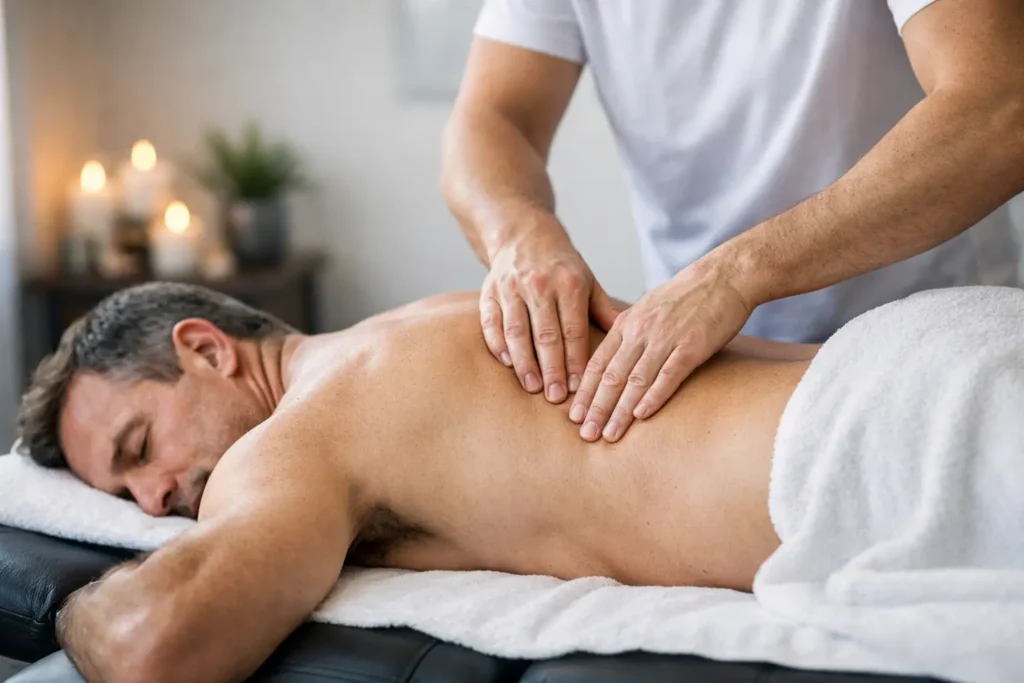
Back pain rarely shows up all at once. More often, it builds quietly through long hours at a desk, stress held in the shoulders and lower back, old injuries that never fully settled, or repetitive movement that asks too much of the same muscles every day. That is why massage therapy for back pain can feel so meaningful – it does more than create a brief sense of relaxation. When thoughtfully applied, it can help calm overworked tissues, reduce protective tension, and support the body in moving with less strain. If you’re in Portland and dealing with ongoing back pain, this is a very common pattern I see.
Many people seek relief only after the discomfort starts affecting sleep, focus, exercise, or even simple tasks like driving or bending forward. At that point, the question is not just whether massage feels good. It is whether it can make a real difference. In many cases, it can, but the results depend on the cause of the pain, the techniques used, and how well the session is tailored to the individual.
How massage therapy for back pain works
Back pain is not always just a back problem. Tight hips can pull on the lower back. Restricted shoulders can change posture and create tension through the mid-back. Emotional stress can lead to shallow breathing and constant muscle guarding. A skilled massage therapist looks at these patterns together rather than treating one sore spot in isolation.
Massage works through several overlapping effects. It can increase circulation to tense tissues, encourage muscles to release chronic holding, and reduce the nervous system’s stress response. For some clients, that means less stiffness first thing in the morning. For others, it means being able to sit, stand, or walk longer without the same level of discomfort.
There is also an important difference between pain that comes from muscular tension and pain that has a more complex source. If the back is aching because the muscles are overworked, inflamed, or guarding around poor movement habits, massage can be especially supportive. If the pain involves nerve compression, a disc injury, or a structural condition, massage may still help with surrounding tension, but it is not a cure-all. This is where individualized care matters most.
Not all back pain responds the same way
One reason people have mixed experiences with massage is simple: back pain has many causes. A generalized relaxation massage may help someone whose discomfort is mainly stress-related, but it may not be enough for someone with chronic lower back tension tied to posture and repetitive strain.
That is why an effective session begins with listening. Where is the pain located? When did it start? Does it feel sharp, dull, tight, or radiating? What makes it worse, and what brings temporary relief? These details help shape the treatment. They also help identify when massage is appropriate and when a client may need medical evaluation.
For example, upper back pain often responds well to work that addresses the neck, shoulders, chest, and breathing patterns. Lower back pain may require attention to the hips, glutes, and hamstrings in addition to the lumbar area itself. Mid-back tension can be tied to desk posture, stress, or restricted rib movement. The back is part of a larger system, and lasting relief usually comes from treating that system with care.
Which massage styles may help most
Different techniques can serve different goals. Swedish massage is often helpful when the body is globally tense, stress is high, and the nervous system needs to settle before deeper therapeutic work can be effective. Gentle, flowing pressure can soften guarding and create a foundation for pain relief.
Deep tissue massage can be useful for more persistent muscular tightness and restricted areas that need focused attention. Despite the name, effective deep tissue work is not about forcing pressure. Too much intensity can cause the body to brace, which works against the goal. The best therapeutic pressure is specific, responsive, and appropriate for the tissue in that moment.
Shiatsu can also play a valuable role, especially when back pain is connected to overall stress, fatigue, or energetic depletion. Because it supports the body as an interconnected whole, it can help clients feel both physically released and emotionally grounded. For some people, that combination is exactly what allows chronic tension patterns to begin changing.
In a personalized setting, these approaches do not have to exist in separate boxes. A session may begin with calming, broad work, move into targeted treatment for specific pain patterns, and incorporate techniques that support both muscular relief and nervous system regulation. That flexibility often makes the treatment more effective than a one-style-fits-all session.
What to expect from a personalized session
A thoughtful massage for back pain should feel collaborative, not routine. The therapist should consider your pain history, pressure preferences, daily habits, stress level, and how your body responds during the session. This matters because two people with the same complaint on paper may need very different treatment.
Some clients need careful work around acute sensitivity. Others benefit from sustained attention to longstanding areas of congestion and tightness. Some improve most when the back is approached indirectly through the hips, shoulders, and breath. A private, calm treatment setting can make this process even more effective by allowing the body to shift out of alert mode and into a state where release is more possible.
At Senju Holistic Healing, this kind of one-on-one care is central to the experience. Rather than following a preset routine, treatment is shaped around what your body is asking for that day, with the larger goal of easing immediate discomfort while addressing the patterns that keep bringing it back.
How much relief should you expect?
It depends on the nature of the pain and how long it has been present. Some people feel noticeably better after one session, especially if the discomfort is recent and largely muscular. Others need a series of treatments before the body begins to hold change more consistently.
Chronic pain usually develops over time, and it often takes time to unwind. Muscles adapt to stress. Posture adapts to fatigue. The nervous system adapts to bracing. Massage can interrupt those patterns, but lasting improvement often comes through repeated support combined with better body awareness, rest, hydration, movement, and ergonomic changes.
This is not a drawback. It is simply an honest view of healing. Quick relief is valuable, but sustainable relief usually comes from a broader process. A skilled massage therapist can be an important part of that process by helping your body move out of pain patterns and into a more balanced state.
When massage may not be the right next step
Massage is helpful for many types of back discomfort, but there are times when caution is necessary. Severe pain after an accident, numbness, unexplained weakness, loss of bladder or bowel control, fever, or pain that seems to worsen rapidly should be evaluated medically first. Massage should support care, not delay needed diagnosis.
Even with less urgent conditions, communication matters. If you have a history of disc issues, sciatica, osteoporosis, recent surgery, or inflammatory conditions, your therapist should know before treatment begins. Good bodywork is never generic. It adapts to the whole person.
Why the right therapeutic relationship matters
People living with back pain are often tired of short-term fixes. They have tried stretching on their own, changed chairs, bought heating pads, and powered through the workday hoping the tension would ease. What they often need is not just a massage, but a practitioner who can recognize patterns, respond with skill, and create a space where healing feels possible.
That sense of trust matters more than people sometimes realize. When you feel heard, safe, and cared for, the body often responds differently. Muscles release more readily. Breathing deepens. The session becomes more than symptom management. It becomes part of restoring a healthier relationship with your body.
If your back pain has been asking for attention, that is worth listening to. The right massage therapy can offer relief, but just as importantly, it can help you understand what your body has been carrying and what it may need next.
If you’re experiencing ongoing back pain in Portland, a personalized session may help address the underlying patterns, not just the symptoms.
You can book a session here.