
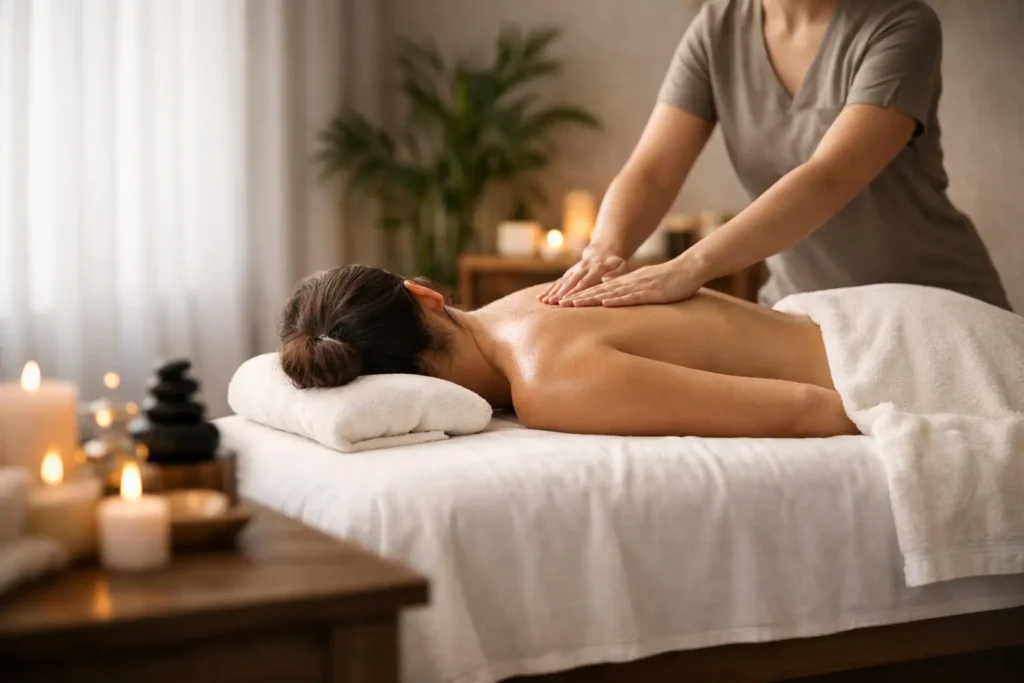
When your shoulders are already up near your ears and your mind is still running through emails, errands, and unfinished tasks, the last thing you need is a treatment space that feels exposed or impersonal. A private massage therapy room is not a luxury detail. It is part of what helps the nervous system settle, the body soften, and the work itself become more effective. If you’re in Portland and looking for a more private, one-on-one massage experience, this is a very important factor to consider.
For many people, privacy changes the entire experience of massage. It can be the difference between staying guarded and truly letting go. When pain, stress, and fatigue have built up over weeks or months, that sense of safety matters more than people sometimes realize.
What a private massage therapy room really offers
A private room does more than block out distractions. It creates the conditions for focused, individualized care. Massage therapy works best when your body is not bracing against noise, interruption, or self-consciousness.
That matters physically and emotionally. Tight neck, shoulder, and back muscles are often connected to stress patterns that go beyond posture alone. If a client feels rushed, observed, or unable to fully relax, those patterns can stay active even during treatment. In a calm private setting, breathing often slows, muscle guarding decreases, and the therapist can work with the body more directly.
Privacy also supports honest communication. Many clients need help with areas that feel vulnerable or complicated, such as chronic low back tension, shoulder restriction from repetitive work, or headaches connected to jaw and neck strain. A one-on-one setting makes it easier to speak openly about symptoms, stress levels, and what does or does not feel comfortable.
Why privacy matters for therapeutic results
Massage is not only about pressure. It is about response. The body responds differently when it feels safe.
In a private treatment room, there is more room for the kind of quiet attention that therapeutic work requires. Subtle changes become easier to notice. A therapist can observe breathing patterns, protective holding, and how tissue responds from one area to another. This is especially useful when pain has a root cause that is not limited to the place that hurts most.
For example, neck pain may be linked to shoulder tension, chest tightness, stress-related jaw clenching, or upper back restriction. Low back discomfort may involve hip tension, postural habits, or fatigue from long hours sitting. A private setting allows treatment to unfold with more care and less interruption, which supports better decisions during the session.
There is also a practical side to this. Clients are more likely to share useful details when they are comfortable. That can include prior injuries, stress triggers, sleep issues, work strain, or emotional tension stored in the body. These details often shape a more effective session.
A private massage therapy room and the nervous system
One of the most overlooked benefits of a private massage therapy room is how it affects the nervous system. Many people seek massage because they feel tight, sore, and worn down. Underneath that physical discomfort, the body may be stuck in a prolonged stress response.
When the environment is quiet, contained, and free from interruption, it is easier for the nervous system to shift away from alertness and toward repair. This is where massage can become more than temporary relief. The body has a better chance to receive the work instead of resisting it.
That shift is not always dramatic. Sometimes it shows up as a deeper breath, a softer jaw, or a sense that the table finally feels supportive instead of unfamiliar. Sometimes it means the therapist can use less force because the body is no longer fighting the treatment. For clients who carry stress in the neck, shoulders, and back, this can make a noticeable difference.
The difference between private care and a spa-style setup
Not every massage environment is designed for the same purpose. Some settings focus on volume, convenience, or a general relaxation experience. Those spaces can still be pleasant, but they may not offer the same level of clinical attention or personal comfort as a fully private room.
A private treatment room supports work that is more tailored and less standardized. There is more space for intake, assessment, and adjustment during the session. The therapist can respond to what your body needs that day instead of following a fixed routine.
This matters if you are dealing with ongoing pain, stress-related tension, or recurring problem areas. A generic massage may feel good in the moment, but individualized bodywork is often what leads to better long-term results. Privacy helps create the trust and continuity that this kind of care depends on.
What to expect in a well-designed private treatment space
A good private room should feel calm, but calm alone is not the goal. It should also support professionalism, hygiene, and focused therapeutic work.
The atmosphere should help you settle without feeling overly staged or distracting. The room should be quiet, clean, and organized. Temperature, lighting, and table setup should support comfort. Draping should be handled with skill and respect so you feel secure throughout the session.
Just as important, the space should allow for a real therapeutic relationship. You should feel that your concerns are being heard and that your session is being shaped around them. In a practice built around one-on-one care, the room becomes part of the treatment itself. It communicates that your comfort, privacy, and healing process are being taken seriously.
Privacy supports personalization
No two bodies hold stress in exactly the same way. One person may need slower work to calm a reactive nervous system. Another may benefit from deeper therapeutic attention in the shoulders and upper back. Someone else may need a blend of techniques to address both muscular tension and overall fatigue.
A private room gives that personalization room to happen. There is less pressure to move quickly and more opportunity to work with intention. This is especially valuable in holistic massage therapy, where the goal is not simply to chase symptoms but to understand how tension patterns connect.
At Senju Holistic Healing, that kind of individualized care is central to the experience. Techniques such as Swedish massage, therapeutic deep tissue massage, and Shiatsu can be adapted within a single session based on what the body presents, not just what was expected beforehand. Privacy allows that process to feel grounded, respectful, and restorative.
Is a private room always necessary?
For most therapeutic massage clients, it is highly beneficial. Still, the answer depends on what you want from treatment.
If someone is simply looking for a quick, casual service, privacy may not be the first thing they consider. But if you are seeking meaningful relief from chronic tension, stress overload, or recurring pain, the environment becomes far more important. The more complex the issue, the more helpful it is to have a space that supports concentration, communication, and ease.
For people who feel anxious about massage, a private room can be especially valuable. It reduces the sense of exposure and helps build trust over time. For people with physically demanding jobs, desk-related pain, or stress that shows up in the body every day, that comfort often leads to more consistent care and better outcomes.
Choosing a massage practice with privacy in mind
If privacy matters to you, it is worth asking a few simple questions before booking. Is the treatment space fully private? Is the session one-on-one from start to finish? Does the practice emphasize individualized care or a fixed menu experience?
You can also pay attention to how the practice talks about treatment. When a therapist emphasizes listening, assessment, and personalized bodywork, that often reflects a more intentional care model. In areas like Portland, where clients have many options, this can be one of the clearest signs that a practice is focused on lasting relief rather than routine service.
The right environment does not replace skill, but it allows skill to work more effectively. When privacy, trust, and therapeutic expertise come together, massage becomes more than a break in your week. It becomes a place where your body can stop bracing, your mind can quiet down, and real healing has a chance to begin.
If you have been living with tension that never fully lets up, pay attention to the space as much as the service. Sometimes the privacy of the room is the first thing that tells your body it is finally safe to release.
If you’re looking for a private, personalized massage experience in Portland, a one-on-one session may help you relax more deeply and get better results from your treatment.
You can book a session here.