
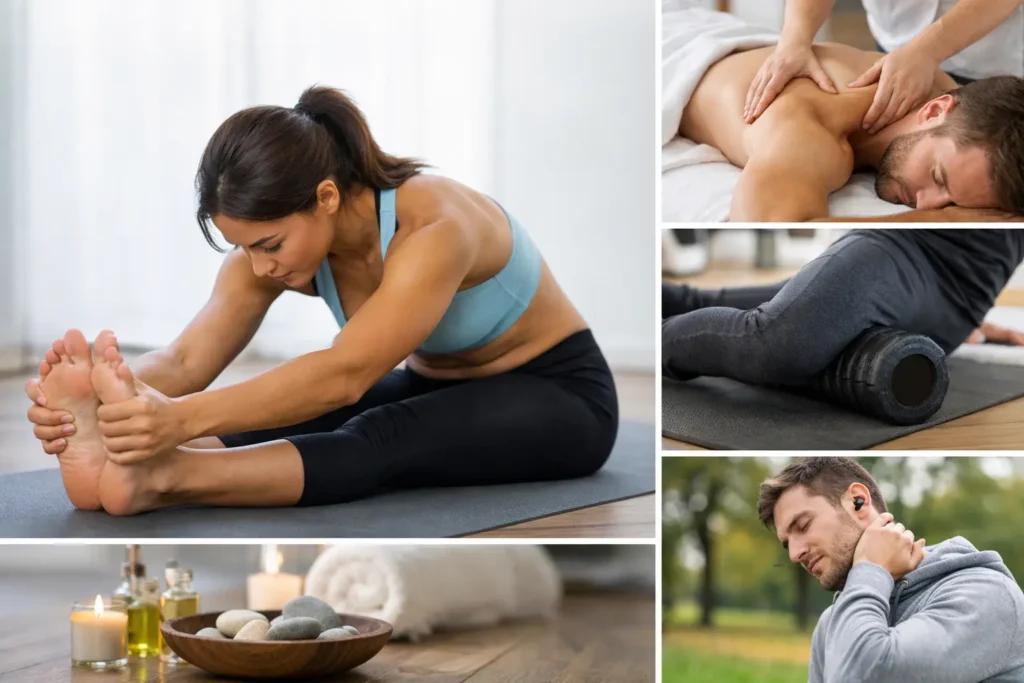
Muscle tightness rarely shows up all at once. It usually builds quietly – a stiff neck after laptop work, shoulders that stay lifted long after a stressful day, or a low back that feels guarded every morning. When people search for the best ways to ease muscle tightness, they are often looking for something simple but real: relief that helps them move more comfortably and keeps tension from returning so quickly.
The good news is that tight muscles often respond well to steady, practical care. The less helpful news is that there is rarely one perfect fix. What helps after a hard workout may not be the same thing that helps with desk posture strain, stress-related clenching, or recurring knots in the upper back. A better approach is to understand why the body is holding tension, then use the right combination of movement, rest, and hands-on care.
Best ways to ease muscle tightness start with the cause
Tightness is not always a sign that a muscle is simply too short. Sometimes a muscle feels tight because it is overworked. Sometimes it is underused and stiff from too much sitting. Sometimes nearby joints are not moving well, so the muscle starts doing extra stabilizing work. Stress also matters. Many people hold tension in the jaw, neck, shoulders, chest, low back, or hips without noticing it until the discomfort becomes hard to ignore.
This is why aggressive stretching does not always solve the problem. If a muscle is already irritated or guarding, pushing harder can make it feel worse. In many cases, the most effective relief comes from reducing the reasons the body is bracing in the first place.
Move before you stretch
One of the most reliable ways to reduce everyday tightness is gentle movement. A short walk, a few slow shoulder rolls, easy spinal rotation, or standing up every hour can do more than a long stretch session done once a week. Movement improves circulation, warms tissue, and reminds the nervous system that the body is safe to move.
This matters especially for people who work at a desk or drive often. Muscles around the neck, shoulders, hips, and low back tend to stiffen when the body stays in one position too long. If that sounds familiar, think less about doing a perfect routine and more about creating regular interruptions to stillness.
A good rule is to choose movements that feel relieving while you do them, not ones you have to force through. If your shoulders feel bound up, try a few minutes of arm circles, chest opening, or supported neck movement. If your hips and low back feel compressed, walking and gentle hip motion may help more than folding forward and hanging on your hamstrings.
Use stretching carefully, not aggressively
Stretching can absolutely help, but timing and intensity matter. Tight muscles often respond better to slow, moderate stretching than long, intense holds. Aim for the kind of stretch where you can still breathe normally and keep the rest of your body relaxed.
A common mistake is stretching the area that feels tight without looking at the bigger pattern. For example, tight hamstrings may be related to how your hips and low back are working together. Neck tightness may be connected to chest tension, shoulder positioning, or the way you hold your head during the day. Stretching can be useful, but it works best when it is part of a broader plan.
If stretching leaves you feeling sharper, more irritated, or oddly tense afterward, back off. The body usually responds better to consistency than force.
Heat can calm guarded muscles
For many people, heat is one of the easiest ways to settle muscle tension. A warm shower, heating pad, or warm compress can help tissue feel more pliable and comfortable, especially in the neck, shoulders, and low back. Heat tends to work best when the tightness feels achy, stiff, or stress-related rather than freshly strained.
That said, heat is not a cure-all. If an area feels inflamed, newly aggravated, or especially tender, too much heat may not feel great. In those moments, shorter sessions and lower intensity are usually the safer choice. The goal is to encourage the body to let go, not overwhelm it.
Hydration and recovery still matter
Hydration is not the most exciting answer, but it is often part of the picture. Muscles and connective tissue generally function better when the body is well hydrated. If you are active, commute long hours, drink a lot of coffee, or regularly forget to eat and drink during the day, your body may be less resilient than you think.
Sleep is just as important. Tightness often increases when the body is tired, stressed, and under-recovered. People who grind through work, workouts, and family responsibilities without enough rest often notice that tension becomes more stubborn over time. Sometimes the body is not asking for a stronger stretch. It is asking for a little more recovery.
Stress management is part of muscle care
Not all tightness comes from physical effort. A stressful week can show up in the body as clenched shoulders, a tense jaw, shallow breathing, or a low back that never quite softens. This does not mean the discomfort is imagined. It means the nervous system and the muscles are closely connected.
Simple practices can help. Slower breathing, a quiet walk, gentle evening mobility, and limiting screen time before bed can all reduce the baseline level of bracing in the body. For some people, this is the missing piece. They stretch regularly, but the tension keeps returning because the body never gets a real signal to downshift.
When self-care is not enough, hands-on work can help
Some tightness responds quickly to home care. Some does not. If you have recurring knots, long-standing shoulder tension, or an area that always seems to tighten back up no matter how often you stretch, skilled bodywork may help address the pattern more directly.
Therapeutic massage can be especially useful when tightness involves several layers at once – muscle overuse, posture strain, stress, limited movement, and sensitive trigger points. In a personalized session, the goal is not simply to press hard on whatever hurts. Good work is more thoughtful than that. It considers which tissues are doing too much, which areas are compensating, how sensitive the body is that day, and what kind of pressure will actually help the muscles release.
At Senju Holistic Healing, sessions are tailored to the individual rather than built around a fixed routine. That may include therapeutic deep tissue massage, trigger point work, shiatsu-informed bodywork, therapeutic cupping when appropriate, or other supportive techniques blended based on the person’s condition and comfort level. For clients dealing with neck, shoulder, and back tightness, that individualized approach often matters more than any single method.
The best ways to ease muscle tightness long term
Long-term improvement usually comes from changing the pattern, not just calming the symptom. If you always tighten up after computer work, your body may need more frequent movement breaks, better arm support, or bodywork that addresses the chest, shoulders, neck, and upper back as a connected system. If workouts leave you constantly stiff, recovery habits may need attention. If stress is the driver, pressure alone may not be enough unless the rest of your routine also supports downshifting.
This is where realism helps. Lasting relief often comes from a few simple things done consistently: moving more often, stretching more gently, recovering better, and getting therapeutic support when the body stops responding to quick fixes. It is less dramatic than chasing a miracle solution, but usually more effective.
If your muscles feel tight most days, treat that as useful information rather than something to push through. The body is often asking for better support, not more force. A thoughtful combination of movement, recovery, and personalized hands-on care can help you feel looser, steadier, and more at home in your body over time.
The most helpful place to start is usually the simplest one: listen to the pattern your body keeps repeating, and respond with care that matches it.