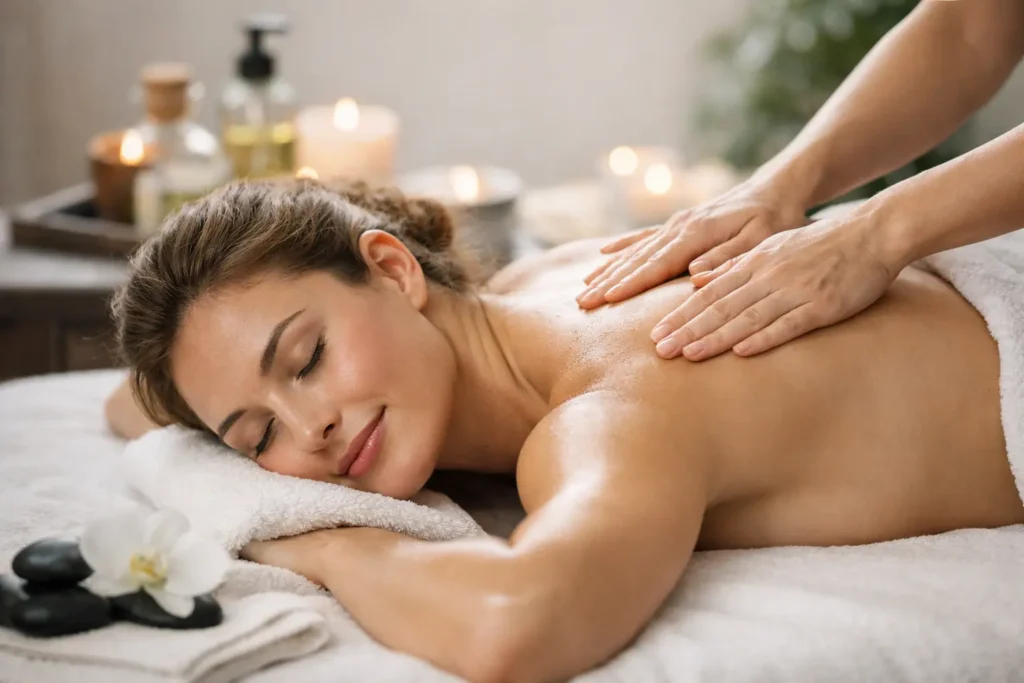
How Swedish Massage Aids Relaxation and Ease

How Swedish Massage Aids Relaxation and Ease

A body that has spent hours at a desk, behind the wheel, caring for others, or pushing through training does not always settle simply because the day is over. Shoulders may stay lifted, the jaw may remain clenched, and the low back may still feel guarded. Understanding how Swedish massage aids relaxation can help you choose bodywork that meets that state with patience rather than more intensity.

Swedish massage is often associated with broad, flowing strokes and a calmer pace. In a therapeutic setting, those qualities can be useful for more than simply feeling pleasant. They can give the body time to transition out of constant effort, soften areas of general tightness, and become more receptive to focused work when that is appropriate.

How Swedish Massage Aids Relaxation

Swedish massage typically uses long gliding strokes, kneading, gentle friction, and comfortable joint movement. The pressure can range from light to moderate, but the defining feature is not a fixed pressure level. It is the steady, unhurried quality of the work.

For someone carrying stress in the neck, shoulders, back, or hips, that consistency can matter. When touch is predictable and adjusted to the person on the table, the body often has an easier time letting go of unnecessary muscular bracing. Breathing may become less shallow, and areas that felt dense or overworked may begin to feel less guarded.

Relaxation is not the same as becoming completely loose or having every knot disappear in one appointment. A more realistic goal is a noticeable shift: less effort in the shoulders, more ease turning the head, a calmer feeling after a demanding week, or a clearer sense of where tension has been accumulating. Those changes can make daily movement and rest feel more manageable.

Steady touch can reduce the urge to brace

Muscles often tighten for understandable reasons. Long computer sessions, repetitive work, challenging workouts, poor sleep, and emotional pressure can all contribute to a pattern of holding. Sometimes the body responds to very intense pressure by tightening further, especially when an area is already sensitive.

Swedish techniques offer a gentler starting point. Slow strokes and measured pressure give a practitioner time to assess how tissue responds without forcing the issue. For many people, this makes it easier to relax into the table rather than anticipate discomfort. That does not mean deeper work is never helpful. It means pressure should serve the person’s goals and current tolerance, not an idea that massage must hurt to be effective.

A slower pace supports a mental reset

Relaxation has a physical and mental side. Repetitive demands can leave attention scattered and the body feeling as though it needs to stay alert. A quiet session with professional, attentive touch creates a defined period where there is nothing to perform, fix, or manage.

That pause can be especially valuable for busy professionals, parents, and active adults who rarely notice their tension until it becomes hard to ignore. The calm pace of Swedish massage may support a sense of settling that carries beyond the session. Some people leave feeling sleepy; others feel clearer and more grounded. Responses vary, but both can reflect a welcome break from sustained strain.

Why Relaxation Can Help Persistent Tension

Relaxation-focused techniques are not a substitute for medical care when it is needed, and massage does not diagnose the cause of pain. Still, reducing general muscle guarding can be a practical part of caring for recurring tightness.

When the upper back and shoulders are constantly working, for example, even ordinary tasks can feel heavier. A less guarded baseline may make it more comfortable to sit upright, take a walk, stretch lightly, or return to activities with better awareness of limits. Massage is most useful when it fits into a larger pattern of body care that may also include rest, movement, ergonomic adjustments, and appropriate guidance from other health professionals.

Relaxation can prepare the body for targeted work

At Senju Holistic Healing, Swedish-style strokes may be used as one part of a personalized therapeutic massage session. They can warm and settle an area before more specific approaches such as deep tissue massage, trigger point work, shiatsu-informed bodywork, or careful stretching are considered.

This matters because no single technique is right for every body or every visit. Someone with broad stress-related tightness through the back may benefit from a slower beginning and moderate pressure throughout. Someone else may want focused work around recurring shoulder tension but need gentle, calming techniques around sensitive areas. The session can change based on comfort, tension patterns, and what the body seems ready for that day.

It may improve body awareness

Many people are accustomed to pushing past subtle discomfort. They may not notice how often they raise their shoulders while typing, hold their breath in traffic, or shift weight unevenly after a long day. Massage can provide a quieter setting to notice those patterns without judgment.

This awareness is useful because it creates choices. A client may recognize that their neck feels better with more frequent breaks, that a certain training routine leaves the hips overly tight, or that their low back needs more support during desk work. Swedish massage does not create these changes on its own, but the relaxed state it encourages can make the body’s signals easier to recognize.

What a Comfortable Swedish Massage Experience Looks Like

A good relaxation response depends on clear communication. Before a session, it helps to share where you feel tight, what kinds of pressure you usually prefer, whether you have areas that are sensitive, and what you hope to get from the appointment. These details allow the work to be adjusted with care.

During the massage, comfort should remain part of the conversation. Pressure can be changed, an area can be approached more gradually, or the focus can shift if something does not feel right. Quiet is welcome, but so is speaking up. Personalized care is not a scripted sequence of strokes. It is an ongoing process of paying attention.

A private therapeutic setting can also make a difference for people who feel overstimulated or self-conscious in busy environments. With one-on-one attention, there is room to slow down, address the areas that need care, and avoid treating relaxation as an afterthought.

When Swedish Massage May Be the Better Choice

Swedish massage can be a sensible option when your body feels generally overworked, you are new to massage, or you are returning after a stressful period and do not know how much pressure feels useful. It may also fit well on days when deep work would feel like too much.

That said, relaxation does not always require light pressure, and therapeutic massage does not always require firm pressure. Some people feel most at ease with moderate, grounded work through larger muscle groups. Others need a lighter approach before their shoulders or low back will soften. The right choice depends on your current sensitivity, activity level, history of tension, and goals for the session.

If you have a new or severe symptom, unexplained swelling, fever, recent injury, or another health concern, it is wise to check with an appropriate health professional before scheduling massage. Sharing relevant health information with your massage therapist also helps support a safer, more comfortable plan.

Making the Relaxed Feeling More Useful Afterward

There is no need to turn post-massage care into a complicated routine. Give yourself a little space after the appointment if possible. A short walk, a regular meal, comfortable movement, and an earlier bedtime can help you notice how your body feels without immediately returning to a rushed pace.

Try to pay attention to the practical changes. Maybe your shoulders rest lower while driving home. Maybe you notice the moment your jaw tightens the next morning. Maybe a familiar movement feels easier. Those observations can guide future sessions and small daily adjustments.

Relaxation is not separate from therapeutic body care. For a body that has been working hard for too long, it can be the condition that makes greater comfort, more natural movement, and a steadier sense of well-being feel possible again.
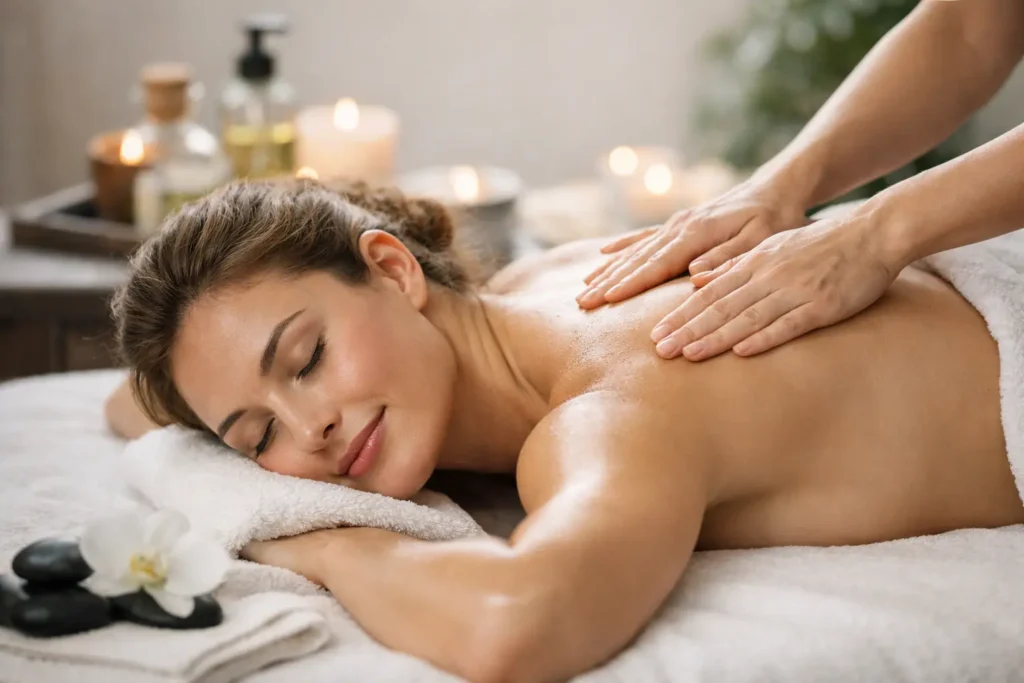
How Swedish Massage Aids Relaxation and Ease

How Swedish Massage Aids Relaxation and Ease

A body that has spent hours at a desk, behind the wheel, caring for others, or pushing through training does not always settle simply because the day is over. Shoulders may stay lifted, the jaw may remain clenched, and the low back may still feel guarded. Understanding how Swedish massage aids relaxation can help you choose bodywork that meets that state with patience rather than more intensity.

Swedish massage is often associated with broad, flowing strokes and a calmer pace. In a therapeutic setting, those qualities can be useful for more than simply feeling pleasant. They can give the body time to transition out of constant effort, soften areas of general tightness, and become more receptive to focused work when that is appropriate.

How Swedish Massage Aids Relaxation

Swedish massage typically uses long gliding strokes, kneading, gentle friction, and comfortable joint movement. The pressure can range from light to moderate, but the defining feature is not a fixed pressure level. It is the steady, unhurried quality of the work.

For someone carrying stress in the neck, shoulders, back, or hips, that consistency can matter. When touch is predictable and adjusted to the person on the table, the body often has an easier time letting go of unnecessary muscular bracing. Breathing may become less shallow, and areas that felt dense or overworked may begin to feel less guarded.

Relaxation is not the same as becoming completely loose or having every knot disappear in one appointment. A more realistic goal is a noticeable shift: less effort in the shoulders, more ease turning the head, a calmer feeling after a demanding week, or a clearer sense of where tension has been accumulating. Those changes can make daily movement and rest feel more manageable.

Steady touch can reduce the urge to brace

Muscles often tighten for understandable reasons. Long computer sessions, repetitive work, challenging workouts, poor sleep, and emotional pressure can all contribute to a pattern of holding. Sometimes the body responds to very intense pressure by tightening further, especially when an area is already sensitive.

Swedish techniques offer a gentler starting point. Slow strokes and measured pressure give a practitioner time to assess how tissue responds without forcing the issue. For many people, this makes it easier to relax into the table rather than anticipate discomfort. That does not mean deeper work is never helpful. It means pressure should serve the person’s goals and current tolerance, not an idea that massage must hurt to be effective.

A slower pace supports a mental reset

Relaxation has a physical and mental side. Repetitive demands can leave attention scattered and the body feeling as though it needs to stay alert. A quiet session with professional, attentive touch creates a defined period where there is nothing to perform, fix, or manage.

That pause can be especially valuable for busy professionals, parents, and active adults who rarely notice their tension until it becomes hard to ignore. The calm pace of Swedish massage may support a sense of settling that carries beyond the session. Some people leave feeling sleepy; others feel clearer and more grounded. Responses vary, but both can reflect a welcome break from sustained strain.

Why Relaxation Can Help Persistent Tension

Relaxation-focused techniques are not a substitute for medical care when it is needed, and massage does not diagnose the cause of pain. Still, reducing general muscle guarding can be a practical part of caring for recurring tightness.

When the upper back and shoulders are constantly working, for example, even ordinary tasks can feel heavier. A less guarded baseline may make it more comfortable to sit upright, take a walk, stretch lightly, or return to activities with better awareness of limits. Massage is most useful when it fits into a larger pattern of body care that may also include rest, movement, ergonomic adjustments, and appropriate guidance from other health professionals.

Relaxation can prepare the body for targeted work

At Senju Holistic Healing, Swedish-style strokes may be used as one part of a personalized therapeutic massage session. They can warm and settle an area before more specific approaches such as deep tissue massage, trigger point work, shiatsu-informed bodywork, or careful stretching are considered.

This matters because no single technique is right for every body or every visit. Someone with broad stress-related tightness through the back may benefit from a slower beginning and moderate pressure throughout. Someone else may want focused work around recurring shoulder tension but need gentle, calming techniques around sensitive areas. The session can change based on comfort, tension patterns, and what the body seems ready for that day.

It may improve body awareness

Many people are accustomed to pushing past subtle discomfort. They may not notice how often they raise their shoulders while typing, hold their breath in traffic, or shift weight unevenly after a long day. Massage can provide a quieter setting to notice those patterns without judgment.

This awareness is useful because it creates choices. A client may recognize that their neck feels better with more frequent breaks, that a certain training routine leaves the hips overly tight, or that their low back needs more support during desk work. Swedish massage does not create these changes on its own, but the relaxed state it encourages can make the body’s signals easier to recognize.

What a Comfortable Swedish Massage Experience Looks Like

A good relaxation response depends on clear communication. Before a session, it helps to share where you feel tight, what kinds of pressure you usually prefer, whether you have areas that are sensitive, and what you hope to get from the appointment. These details allow the work to be adjusted with care.

During the massage, comfort should remain part of the conversation. Pressure can be changed, an area can be approached more gradually, or the focus can shift if something does not feel right. Quiet is welcome, but so is speaking up. Personalized care is not a scripted sequence of strokes. It is an ongoing process of paying attention.

A private therapeutic setting can also make a difference for people who feel overstimulated or self-conscious in busy environments. With one-on-one attention, there is room to slow down, address the areas that need care, and avoid treating relaxation as an afterthought.

When Swedish Massage May Be the Better Choice

Swedish massage can be a sensible option when your body feels generally overworked, you are new to massage, or you are returning after a stressful period and do not know how much pressure feels useful. It may also fit well on days when deep work would feel like too much.

That said, relaxation does not always require light pressure, and therapeutic massage does not always require firm pressure. Some people feel most at ease with moderate, grounded work through larger muscle groups. Others need a lighter approach before their shoulders or low back will soften. The right choice depends on your current sensitivity, activity level, history of tension, and goals for the session.

If you have a new or severe symptom, unexplained swelling, fever, recent injury, or another health concern, it is wise to check with an appropriate health professional before scheduling massage. Sharing relevant health information with your massage therapist also helps support a safer, more comfortable plan.

Making the Relaxed Feeling More Useful Afterward

There is no need to turn post-massage care into a complicated routine. Give yourself a little space after the appointment if possible. A short walk, a regular meal, comfortable movement, and an earlier bedtime can help you notice how your body feels without immediately returning to a rushed pace.

Try to pay attention to the practical changes. Maybe your shoulders rest lower while driving home. Maybe you notice the moment your jaw tightens the next morning. Maybe a familiar movement feels easier. Those observations can guide future sessions and small daily adjustments.

Relaxation is not separate from therapeutic body care. For a body that has been working hard for too long, it can be the condition that makes greater comfort, more natural movement, and a steadier sense of well-being feel possible again.

Scroll to Top