
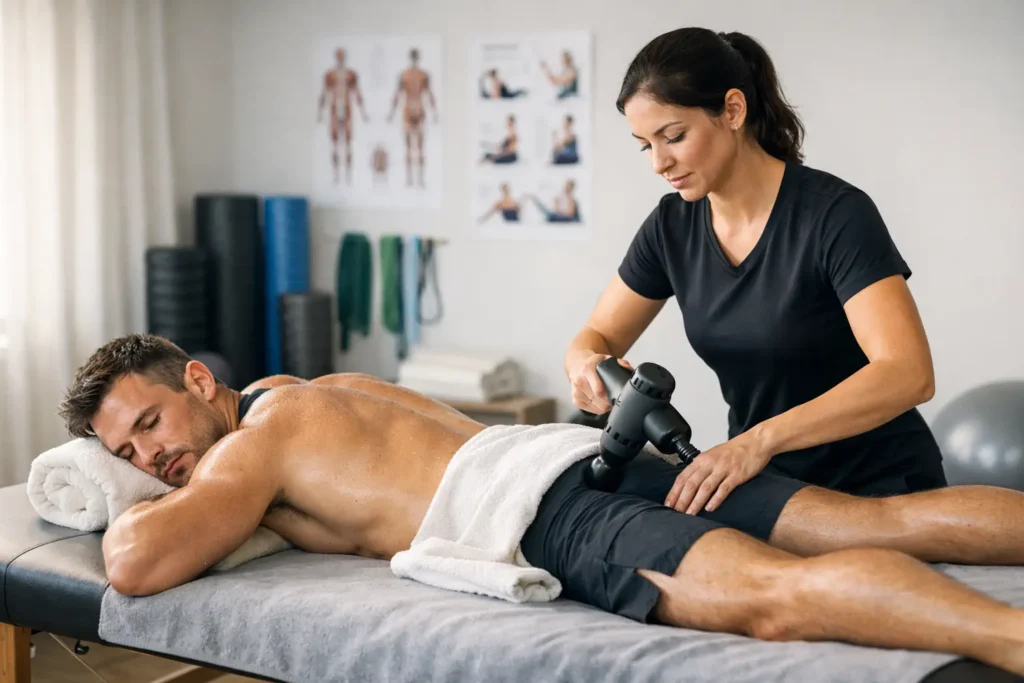
You notice it when you reach for a seatbelt, stand up from your desk, or head downstairs the day after a hard workout. Muscle soreness has a way of turning ordinary movement into a reminder that your body is carrying more than it should. When people search for the best massage for muscle soreness, what they usually want is not a trendy technique. They want real relief that matches the reason their body feels tight, achy, or overworked in the first place.
That is where the answer gets more specific than a single massage style. The best approach depends on what kind of soreness you have, where it is showing up, how sensitive the area feels, and whether the issue is from exercise, repetitive work, stress, or a mix of all three.
What is the best massage for muscle soreness?
For many people, the best massage for muscle soreness is a personalized therapeutic session that combines deeper work where the tissue can tolerate it, gentler techniques where the body is guarding, and focused attention on the patterns causing the discomfort. That may include deep tissue massage, trigger point work, shiatsu-informed bodywork, or other supportive techniques blended together rather than applied as a rigid routine.
This matters because soreness is not always simple. The calves may be tight after a run, but the hips may be restricting movement. Your shoulders may ache after strength training, but stress and desk posture may be keeping those muscles braced all week. A good session looks beyond the sore spot and works with the broader pattern.
Not all soreness needs the same pressure
A common misunderstanding is that sore muscles always need strong pressure. Sometimes they do respond well to slower, more focused deep tissue work. Other times, too much pressure only makes the area tighten more.
If your muscles feel dense, restricted, and stuck, deeper therapeutic work may help them soften and move more freely. If they feel raw, tender, or fatigued after intense activity, a lighter and more moderate approach may be the better choice. The goal is not to overpower the tissue. The goal is to help it stop holding so much effort.
The types of massage that help most
Deep tissue massage is often the first technique people think of for soreness, and for good reason. It can be very effective when muscles feel chronically tight, layered with tension, or resistant to stretching. Slower pressure gives the practitioner time to work through thicker tissue and address restrictions that contribute to stiffness.
But deep tissue is only part of the picture. Trigger point work can help when soreness is linked to specific knots or referral patterns, such as a tight spot in the shoulder blade area that contributes to aching in the neck or upper arm. Shiatsu-informed bodywork can be useful when the body needs a more integrated approach that addresses tension patterns without relying only on heavy localized pressure.
In some cases, supportive techniques such as therapeutic cupping, gentle craniosacral work, lymphatic-style work, reflexology, or other hands-on methods may be woven into the session. These are not used as one-size-fits-all solutions. They are chosen based on how your body is responding that day.
The most helpful massage is usually the one that adapts. At Senju Holistic Healing, that often means blending techniques within a one-on-one therapeutic session rather than forcing every client into the same method.
Muscle soreness from exercise versus everyday tension
Post-workout soreness and everyday muscle tension can feel similar, but they are not always the same problem.
Exercise-related soreness often shows up after your body has done more than usual, whether that means lifting heavier, returning to training after a break, or pushing intensity. In that case, massage can support recovery by improving comfort, easing stiffness, and helping you move more normally again. The work may need to stay moderate if the muscles are still quite tender.
Everyday soreness often has a different texture. It builds gradually from desk work, driving, parenting, repetitive tasks, stress, or poor recovery habits. This kind of discomfort tends to linger in the neck, shoulders, low back, hips, and between the shoulder blades. It may come with recurring knots, reduced mobility, and that familiar feeling that stretching only helps for a few minutes. Here, more focused therapeutic work is often useful because the tension pattern has become habitual.
The distinction matters. If you treat fresh, sensitive soreness like stubborn chronic tension, it may feel like too much. If you treat long-standing restriction too lightly, you may not get far enough into the pattern to create meaningful change.
When deep tissue helps and when it does not
Deep tissue can be excellent for muscle soreness, but it is not automatically the best choice in every situation.
It tends to help when your body feels tight in a lasting way, especially in the upper back, hips, glutes, shoulders, or lower back. It can also be useful when movement feels limited and the muscles seem to be pulling on nearby joints. In these cases, slow and attentive pressure often gives better results than quick, forceful work.
It may not be the best starting point when soreness is very fresh, widespread, or paired with a high level of sensitivity. It may also be less useful if your nervous system is already on edge and your whole body is bracing. Sometimes a gentler beginning allows the tissue to settle enough that deeper work can be effective later.
That is one reason personalized therapeutic massage tends to outperform a fixed menu approach. The body does not always need the same thing from week to week.
What a good session should feel like
Helpful massage for sore muscles should feel purposeful, not punishing. You may notice tenderness in certain areas, especially where knots or restrictions have built up, but the overall experience should feel manageable and responsive. Good pressure usually creates a sense that the area is releasing, warming, or becoming easier to breathe through.
If the work feels sharp, overwhelming, or like you are fighting against it, more pressure is not necessarily better. A skilled practitioner adjusts based on tissue response, not ego. That is especially important for people who carry stress-related tension and have a hard time letting their guard down.
A thoughtful session also considers what happens after the table. Some soreness after deeper work can be normal, particularly if the tissue has been tight for a long time. But you should generally feel like your body is moving in a more organized, less effortful way within a day or two.
How to choose the best massage for muscle soreness
Start by thinking about the pattern, not just the discomfort level. Is the soreness from a recent workout, a recurring knot, long hours at a computer, or a body area that never quite resets? That context helps determine whether you need deeper work, gentler support, or a combination.
It also helps to choose a practitioner who works therapeutically and communicates clearly. If you have shoulder tightness from training and neck tension from work, you want someone who can adapt the session rather than treat those as unrelated issues. Personalized care matters most when the body is dealing with layered stress.
For many adults, especially those balancing work, activity, and daily strain, the best results come from consistent bodywork rather than waiting until soreness becomes intense. Massage does not need to be dramatic to be effective. Sometimes regular, skillful maintenance is what keeps minor tightness from turning into a larger pattern.
A few realistic expectations
Massage can be very helpful for muscle soreness, stiffness, and tension-related discomfort, but it is not magic and it does not work the same way for everyone. Some people feel a noticeable difference after one session. Others improve more gradually as long-held patterns begin to shift.
Hydration, sleep, movement, stress levels, training load, and work posture all affect how your body feels between sessions. Massage works best as part of a broader approach to caring for your body, not as a substitute for rest, pacing, or recovery.
That is not a limitation so much as a reminder to be realistic. The goal is steady improvement in how your body feels and functions, not a dramatic one-day reset.
If you are trying to find the best massage for muscle soreness, look for care that listens to the whole pattern, respects your comfort level, and adjusts to what your body actually needs that day. Relief often starts there, with skilled hands, clear attention, and a quieter way of helping the body let go.