
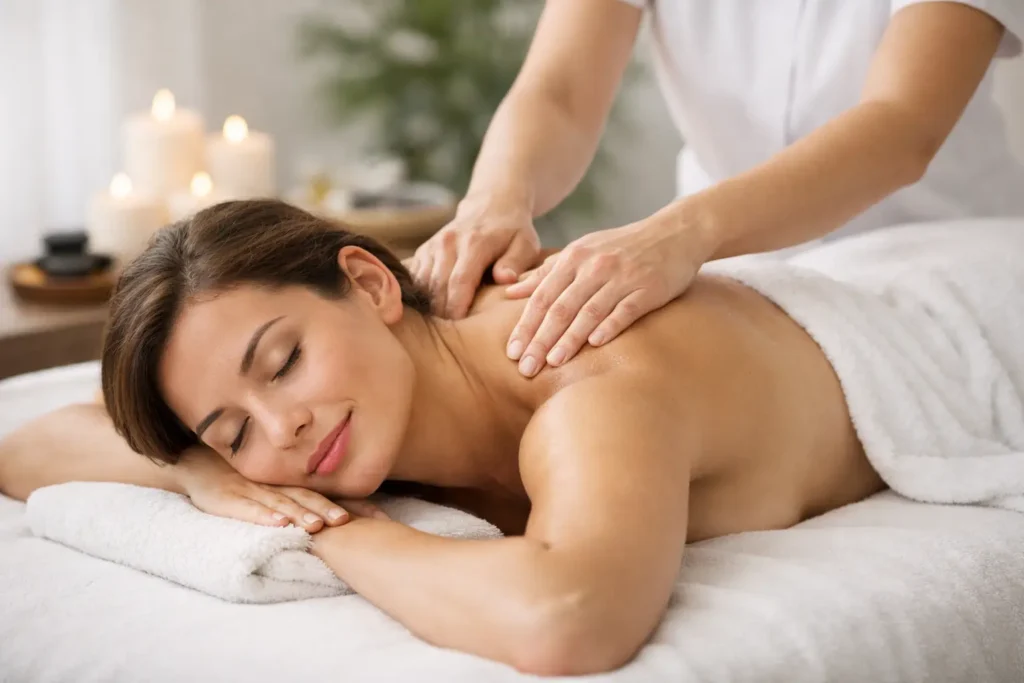
When anxiety shows up in the body, it rarely stays in one place. The jaw tightens, the shoulders creep upward, the breathing gets shallow, and the back starts working harder than it should. That is part of why swedish massage for anxiety relief can be helpful. Even when stress feels mental, the body often carries a large share of the load.
A lot of people think of Swedish massage as simply a relaxation style, but that description is too narrow. In a therapeutic setting, it can be a useful way to calm an overstimulated system, reduce guarded muscle tension, and help the body shift out of a constant bracing pattern. For some people, that softer approach is exactly what allows deeper relief to happen.
Why Swedish massage can help anxiety
Anxiety often creates a feedback loop. Stress increases muscle tension, muscle tension makes the body feel less comfortable, discomfort can make it harder to rest, and poor rest tends to make stress feel louder the next day. It is not always dramatic. Sometimes it looks more like a low-grade hum of tight shoulders, a clenched mid-back, and a feeling that the body never fully settles.
Swedish massage works with broad, flowing strokes, gentle kneading, and steady contact. Those techniques can help slow the pace of the nervous system and make tight areas feel less guarded. The value is not only in loosening muscle tissue. It is also in giving the body a clear signal that it does not need to stay on high alert for the entire session.
That said, anxiety relief is not one-size-fits-all. Some people respond well to lighter, soothing work. Others feel calmer with moderate pressure because it helps them feel more grounded and aware of their body. The most effective session usually depends on how stress shows up for you, how sensitive your system feels that day, and whether your tension is mostly general or concentrated in a few stubborn areas.
What swedish massage for anxiety relief actually feels like
The best sessions do not feel rushed or generic. They feel steady, attentive, and appropriate to the person on the table.
In practical terms, swedish massage for anxiety relief often includes long gliding strokes to encourage the body to settle, gentle compression or kneading through the shoulders and back, and careful pacing that gives the nervous system time to adjust. The rhythm matters. Predictable, consistent touch is often more calming than abrupt changes or overly aggressive pressure.
For people who carry stress in the neck and upper shoulders, Swedish techniques can reduce the sense of constant holding without making the area feel attacked. If the pressure is too intense, the body may brace in response, which defeats the purpose. If the pressure is too light for the person, they may not feel much change. This is where skill and communication matter.
A therapeutic massage session may also blend Swedish work with more focused techniques when appropriate. For example, if anxiety is paired with long-standing desk tension, broad calming work might be used first to help the body settle, followed by more targeted attention for the upper back, shoulder blades, or neck. The goal is not to force release. It is to create enough ease that the body can stop fighting itself.
Common tension patterns linked with stress and anxiety
Most people do not experience anxiety as a floating feeling disconnected from the body. They feel it in familiar places.
The neck and shoulders are common because stress often leads to unconscious elevation and bracing. The chest can feel tight when breathing becomes shallow. The mid-back may ache from posture fatigue, especially for people who work at a desk or spend long hours driving. Some people hold tension through the jaw and temples, while others feel it in the low back because the whole body is working harder to stay guarded.
These patterns can overlap. A person may come in saying they feel anxious, but what they really notice day to day is upper trapezius tightness, headaches that seem related to tension, or the feeling that they cannot get a full breath. Massage does not erase every source of stress, but it can reduce the physical strain that keeps feeding the cycle.
When a gentle approach works better than deeper pressure
There is a common assumption that more pressure equals better results. For anxiety-related tension, that is not always true.
If your system already feels overworked, tired, or reactive, deeper work may feel like one more thing the body has to handle. A gentler Swedish-based approach can sometimes do more because it lowers resistance. Once the body stops guarding, areas of chronic tension may soften more naturally.
On the other hand, some clients feel more at ease with moderate therapeutic pressure, especially if their muscles are dense from repetitive work, training, or posture habits. In those cases, Swedish techniques may still form the foundation of the session while deeper, more specific work is added gradually. The key is adapting to the person rather than forcing every session into a single style.
A therapeutic setting matters
For anxiety relief, technique is important, but the setting matters too. A quiet, private treatment space with clear communication often helps people settle more fully than a busy, impersonal environment.
Many adults dealing with stress are not looking for a performance of relaxation. They want thoughtful, professional bodywork that respects their comfort level and addresses what their body is actually doing. That may mean adjusting pressure, working more slowly, spending extra time where tension keeps returning, or recognizing when the nervous system needs calming before more focused work makes sense.
In a personalized practice like Senju Holistic Healing in SW Portland, Swedish massage is not treated as a fixed routine. It may be used as one part of a therapeutic session, alongside other supportive techniques, depending on the person’s goals, sensitivity, and tension patterns. That kind of flexibility is often more helpful than trying to fit anxiety, muscle tightness, and daily stress into a single preset format.
What to expect after a session
Some people feel noticeably calmer right away. Others mainly notice that their shoulders drop, their breathing feels easier, or they sleep better that night. The response can be subtle at first.
Relief also depends on context. If you are in the middle of a high-stress period, one massage may help the body reset, but it may not hold forever. That does not mean the session failed. It usually means your body is responding to real demands, and regular care may be more effective than waiting until tension becomes overwhelming.
It is also normal for people with anxiety to need a little time to trust the process. The first session may be partly about getting comfortable with the environment, the table, and the pace of treatment. As that familiarity builds, the body often settles more easily in future sessions.
How to get the most from Swedish massage for anxiety relief
A good session starts before the hands-on work begins. Let your therapist know if you have been feeling especially stressed, having trouble sleeping, feeling touch-sensitive, or noticing areas that tense up when you are anxious. That information helps shape the session.
It also helps to be honest about pressure. Many people stay quiet and tolerate work that is too intense because they think it is supposed to be uncomfortable. For anxiety relief, that can backfire. Clear feedback makes it easier to find the level of touch that actually helps your body settle.
After the session, try to give yourself a little space before jumping straight back into stimulation. Even ten quiet minutes, a short walk, or a slower evening can help your body hold onto the calmer state a bit longer. Massage is not separate from the rest of your habits. It tends to work best when it is part of a broader pattern of paying attention to what your body has been carrying.
Is Swedish massage the right choice?
Sometimes yes, sometimes partly. If your main issue is stress, restlessness, and generalized tension, Swedish massage may be a strong fit. If your anxiety sits alongside chronic knots, posture strain, or persistent neck and shoulder tightness, a blended therapeutic session may make more sense than Swedish work alone.
That is often the most realistic answer. Anxiety relief through massage is less about choosing the “best” label and more about finding the right approach for your body on that day. Some sessions need more calming, some need more focused tension relief, and some need both.
When massage is done thoughtfully, it can offer more than a temporary break. It can remind the body what ease feels like again, which is sometimes the first useful step toward feeling more like yourself.