
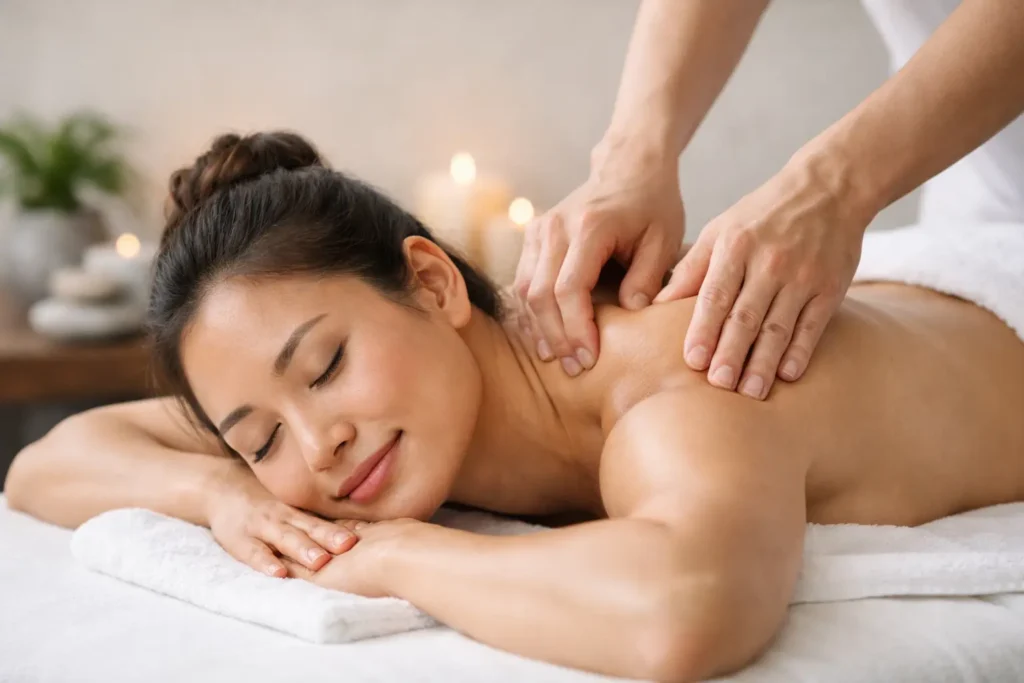
A tight neck rarely stays only in the neck. It can show up as shoulders that creep toward the ears during a work call, a dull ache between the shoulder blades, a guarded low back, or the sense that your body never quite settles. The top benefits of shiatsu massage are most meaningful in these everyday patterns: it offers focused, adaptable touch that can help the body feel less braced and more comfortable in motion.
Shiatsu is a Japanese-informed form of bodywork that uses steady pressure from the hands, thumbs, palms, and sometimes forearms, along with gentle stretching and movement. Rather than relying on one fixed sequence, a skilled practitioner pays attention to how tension is distributed throughout the body and adjusts pressure based on what you feel and need. In a therapeutic setting, shiatsu-informed techniques may be blended with deep tissue work, trigger point techniques, or gentler approaches to support a session that fits the person on the table.
What Shiatsu Massage Feels Like
Shiatsu pressure is typically deliberate rather than rushed. A practitioner may hold a point for several breaths, work along a line of tight tissue, or guide a limb through a comfortable range of motion. The intention is not to overpower the body. It is to offer clear, responsive input to areas that have been working hard for too long.
Pressure can range from light to firm. Someone with sensitive shoulders after a stressful week may need a gentler approach than someone who has persistent upper-back tightness from desk work or training. Good bodywork is not defined by intensity alone. The right amount of pressure is the amount that feels productive without making you brace, hold your breath, or feel worse afterward.
Top Benefits of Shiatsu Massage for Common Tension Patterns
1. It can ease the feeling of persistent muscle tightness
Many people seek massage because certain areas feel continually switched on. The upper trapezius muscles, the muscles around the shoulder blades, the hips, and the low back commonly take on extra work when we sit for long periods, carry children, train hard, or move through stressful seasons.
Steady shiatsu-informed pressure can help these areas feel less guarded. For some people, the immediate change is a sense of warmth or space around a tight shoulder. For others, the benefit is subtler: turning the head feels easier, or getting up from a chair feels less stiff. Results vary with the depth and duration of the tension, but a well-paced session can provide meaningful relief from the constant feeling of holding on.
2. It supports more comfortable movement
Tension does not always limit movement in obvious ways. You may still be able to reach overhead or bend down, but the movement feels effortful, uneven, or restricted. Shiatsu includes pressure and gentle assisted movement, which can help you notice where your body is protecting itself.
That awareness matters. When a practitioner works with the muscles around the neck, chest, shoulders, hips, and back in relation to one another, movement may begin to feel more coordinated. This is especially useful for people who spend the day at a computer, drive often, or repeat the same physical tasks. Massage cannot replace strengthening, ergonomics, or medical care when those are needed, but it can be a practical part of maintaining comfort and mobility.
3. It creates a calmer response to stress-related tension
Stress often has a physical posture. The jaw tightens. Breathing gets shallower. The shoulders rise. Even when the stressful moment has passed, the body may continue to carry that effort.
The quiet, steady rhythm of shiatsu can give the nervous system an opportunity to settle. This is not about forcing relaxation or asking someone to ignore what they are feeling. It is about providing a calm environment and professional touch that may help the body shift out of its usual bracing pattern. Many clients leave feeling mentally quieter as well as physically more at ease, particularly when stress has been showing up as neck, shoulder, or back tension.
4. It can help with recurring knots without treating the body like a problem to fix
A recurring knot is often frustrating because it seems to return no matter how often it is rubbed. The answer is not always more pressure in the exact same spot. Tightness around the shoulder blade, for example, may be influenced by the neck, chest, arm use, desk setup, sleep position, activity level, or how the body responds to stress.
Shiatsu-informed bodywork encourages a broader view. A practitioner may address the familiar tender area while also working with related tissues that affect how that region feels. This does not guarantee that a knot will disappear permanently, and it should not be framed as a cure. It can, however, make recurring tension easier to manage and help clients understand what support their bodies respond to best.
5. It builds useful body awareness
One of the quieter benefits of massage is learning the difference between ordinary effort and unnecessary strain. During a session, clients often notice habits they had not registered: gripping through the hands, lifting the shoulders while breathing, tightening the hips when lying still, or holding tension in the jaw.
That information can carry into daily life. You may recognize sooner when your shoulders are creeping up during an email-heavy afternoon or when a long drive is starting to bother your low back. Awareness alone does not solve every tension pattern, but it gives you a chance to change position, take a short walk, stretch gently, or schedule care before discomfort becomes more disruptive.
6. It can be tailored to your sensitivity and goals
There is no single “correct” shiatsu session. Some people want focused work for a stubborn upper-back pattern. Others need a quieter, less intense session because their body feels overloaded or sensitive. The best approach depends on your current comfort, health history, activity level, and what you hope to get from the appointment.
At Senju Holistic Healing in SW Portland, shiatsu-informed techniques can be integrated into individualized therapeutic massage sessions rather than offered as a rigid routine. A session may include targeted pressure, deep tissue or trigger point work where appropriate, and gentler techniques when the body needs a slower pace. Clear communication throughout the session helps ensure the work remains supportive and within your comfort level.
When Shiatsu May Be a Good Fit
Shiatsu-informed work can be particularly helpful if you prefer focused, grounded touch and are looking for support with everyday tightness rather than a relaxation-only experience. It may suit working professionals with computer-related neck and shoulder strain, active adults managing post-training tightness, busy parents who feel physically worn down, and anyone who wants a private, one-on-one setting for attentive bodywork.
It is also worth being realistic about timing. Longstanding tension may respond best to a series of sessions combined with simple changes between visits, such as varying your work position, building in movement breaks, improving recovery after exercise, or getting adequate rest. A single session can feel restorative, but ongoing comfort is usually shaped by many parts of daily life.
If you have a recent injury, severe or unexplained symptoms, fever, numbness, significant swelling, or a condition that affects whether massage is appropriate, check with a qualified health care professional first. Let your massage therapist know about relevant health changes, surgeries, medications, and sensitivities so the session can be adjusted responsibly.
Shiatsu massage offers something many overworked bodies need: attentive pressure, unhurried pacing, and room to notice what has been building beneath the surface. When care is adapted to your actual tension patterns rather than a preset routine, it can become a steady part of feeling more at home in your body.